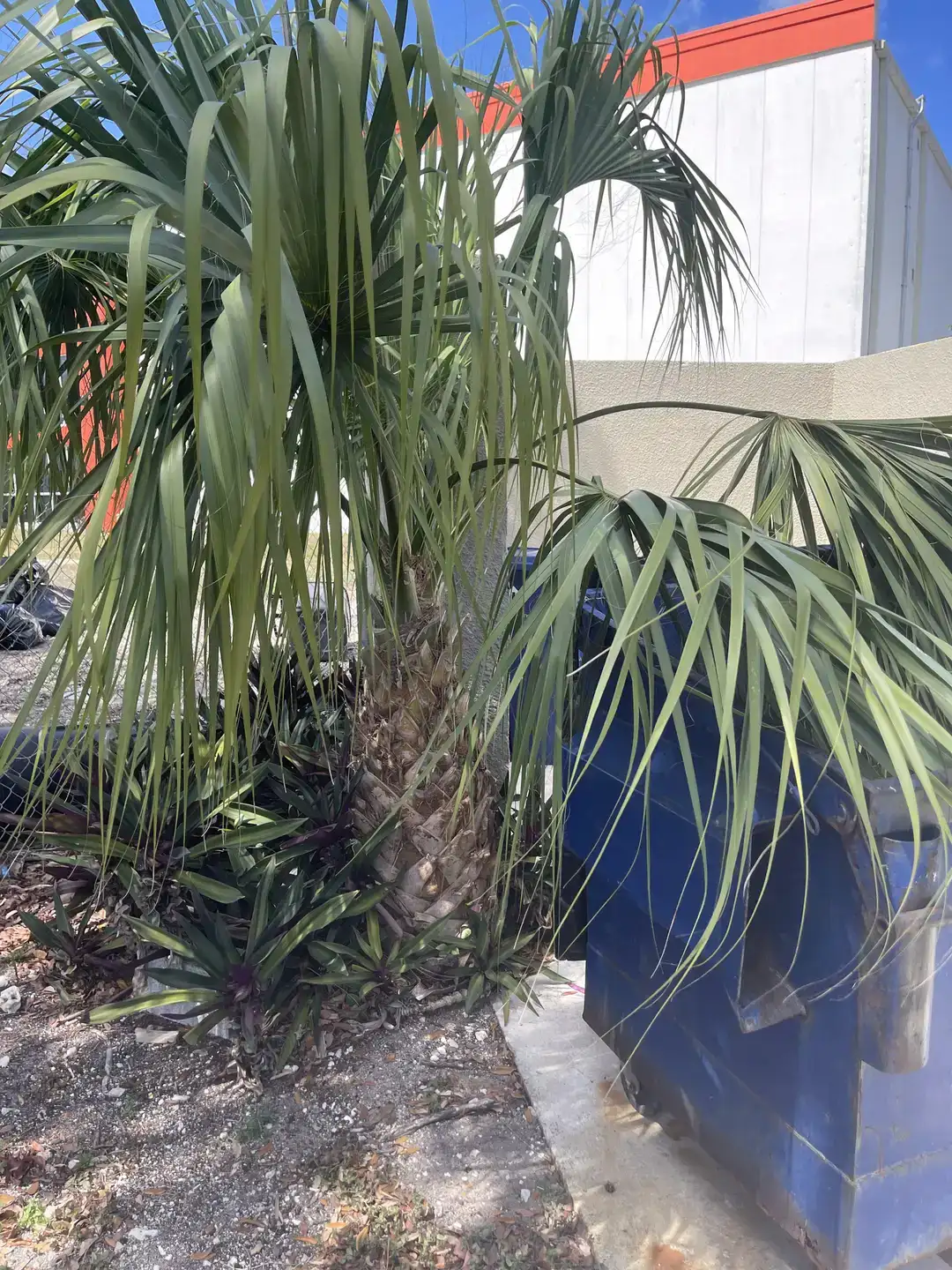
South Florida Rental Hurricane Season Checklist: What Owners Should Handle Before the First Storm Watch
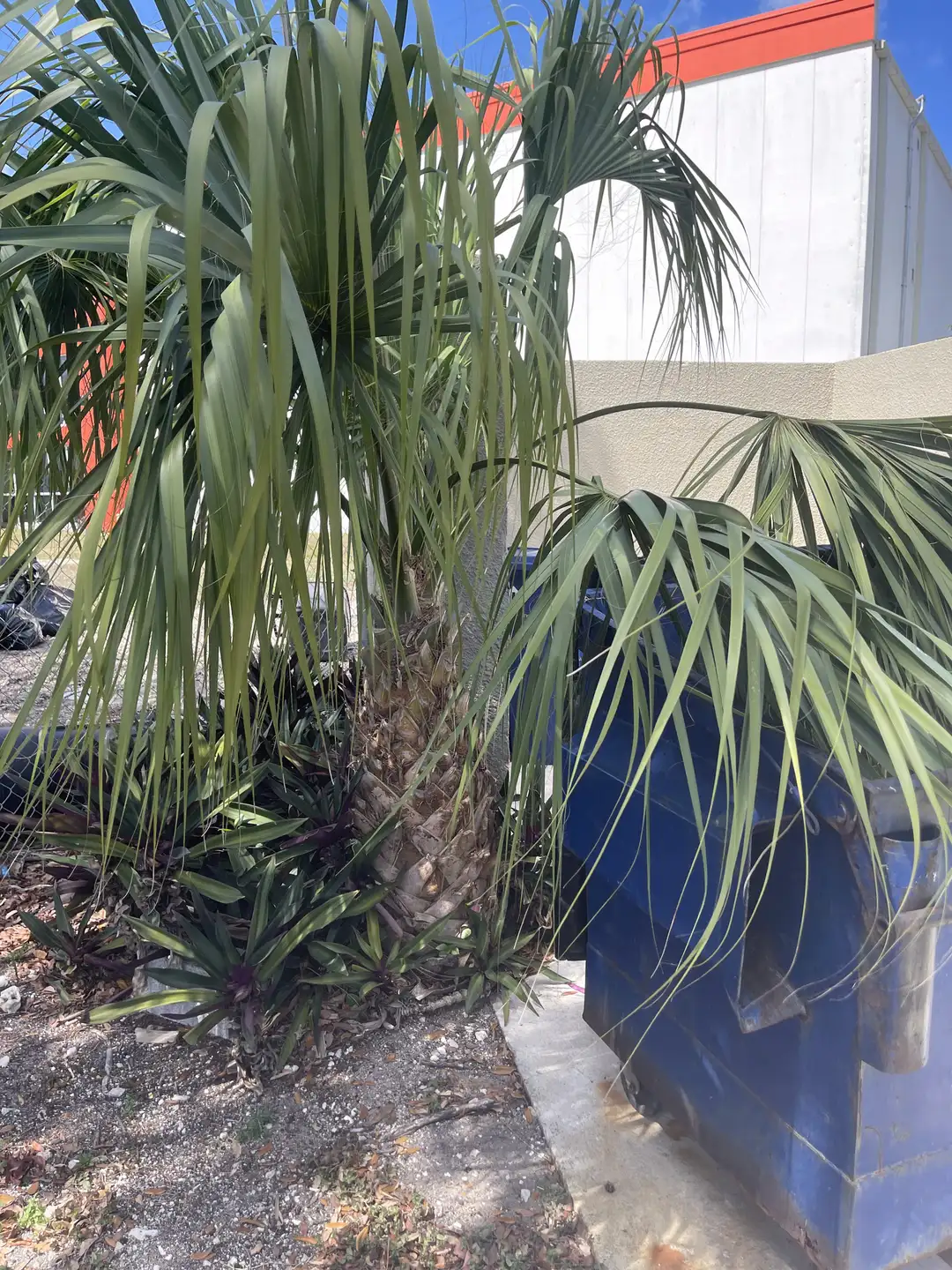 A calm exterior is the goal, but storm-season preparation is mostly about the systems you cannot afford to ignore: drainage, HVAC, records, vendors, and response workflow.
If you own rentals in the tri-county market, a South Florida rental hurricane season checklist should start long before a named storm is headed your way. The hard part is not buying flashlights. It is making sure the property, the records, and the people around the property are ready before every contractor, tenant, owner, and insurer is trying to solve the same problem at once.
That is where Incubate PM's published maintenance coordination, property management, and owners portal workflow pages are useful. Together, they point to a more practical standard for storm prep: inspect early, organize your documentation, know how approvals will happen, and keep small moisture problems from becoming bigger operational messes.
This guide is general educational information for rental owners. It is not legal, tax, or insurance advice. For claim-specific or coverage questions, confirm requirements directly with your carrier and local professionals.
Start before June 1, not after the first watch
Ready.gov says Atlantic hurricane season runs from June 1 through November 30. That date matters because the most useful prep work is the boring work you can still do calmly: checking drainage, reviewing records, verifying vendor contacts, and making sure tenants know how maintenance issues should be reported.
NOAA is even more direct: if you are a renter, work with your landlord now to prepare the home for a storm. For owners, the equivalent message is simple. Do not wait until a tropical system is in the cone to figure out who handles shutters, who documents conditions, which unit has an old AC drain problem, or how approval decisions will move if your phone is lighting up with multiple requests.
Incubate PM's property-management page makes the local version of that point. South Florida ownership is not generic ownership. Humidity, storm-season risk, maintenance coordination, and fast-changing tenant expectations all compound the cost of delay.
A useful preseason pass should answer five questions:
- Which units or common areas already have moisture, drainage, roof, or HVAC concerns?
- Which vendors would you call first for urgent fieldwork?
- Where are your latest property photos, lease files, and vendor records stored?
- How will tenants report storm-related issues with photos and detail?
- Who has authority to approve work when time matters?
If those answers still live in scattered texts, old emails, or someone's memory, the checklist is not finished.
Build a storm file before vendors get slammed
One reason owners feel overwhelmed during storm season is that every decision becomes slower when the records are messy. Incubate PM's maintenance page says tenants can submit requests through the portal with photos, while the team triages urgency, dispatches the right vendor, and handles invoicing transparently. Its owners page adds that owners can review maintenance work orders, inspection reports with photos, monthly statements, and related records through the portal.
That workflow matters because storm prep is not only a property task. It is a documentation task.
Before the season gets busy, create a storm file for each property that includes:
- current exterior and interior condition photos,
- roof, gutter, and drainage notes,
- HVAC and drain-line service history,
- tenant contact details and emergency reporting instructions,
- preferred vendor contacts,
- utility account information,
- lease and occupancy details,
- and a simple record of who can approve work if you are unavailable.
Practical rule: if a vendor or manager had to step in tomorrow, could they understand the property's current condition and your approval chain without calling you six times first?
This is also the point where owners should decide how they want updates to flow. Incubate PM's published workflow is useful here because it treats photo-backed requests and status visibility as normal, not optional. That is a better standard than waiting for a vague text that says, "There is water by the window."
Fix the small maintenance issues that become big post-storm headaches
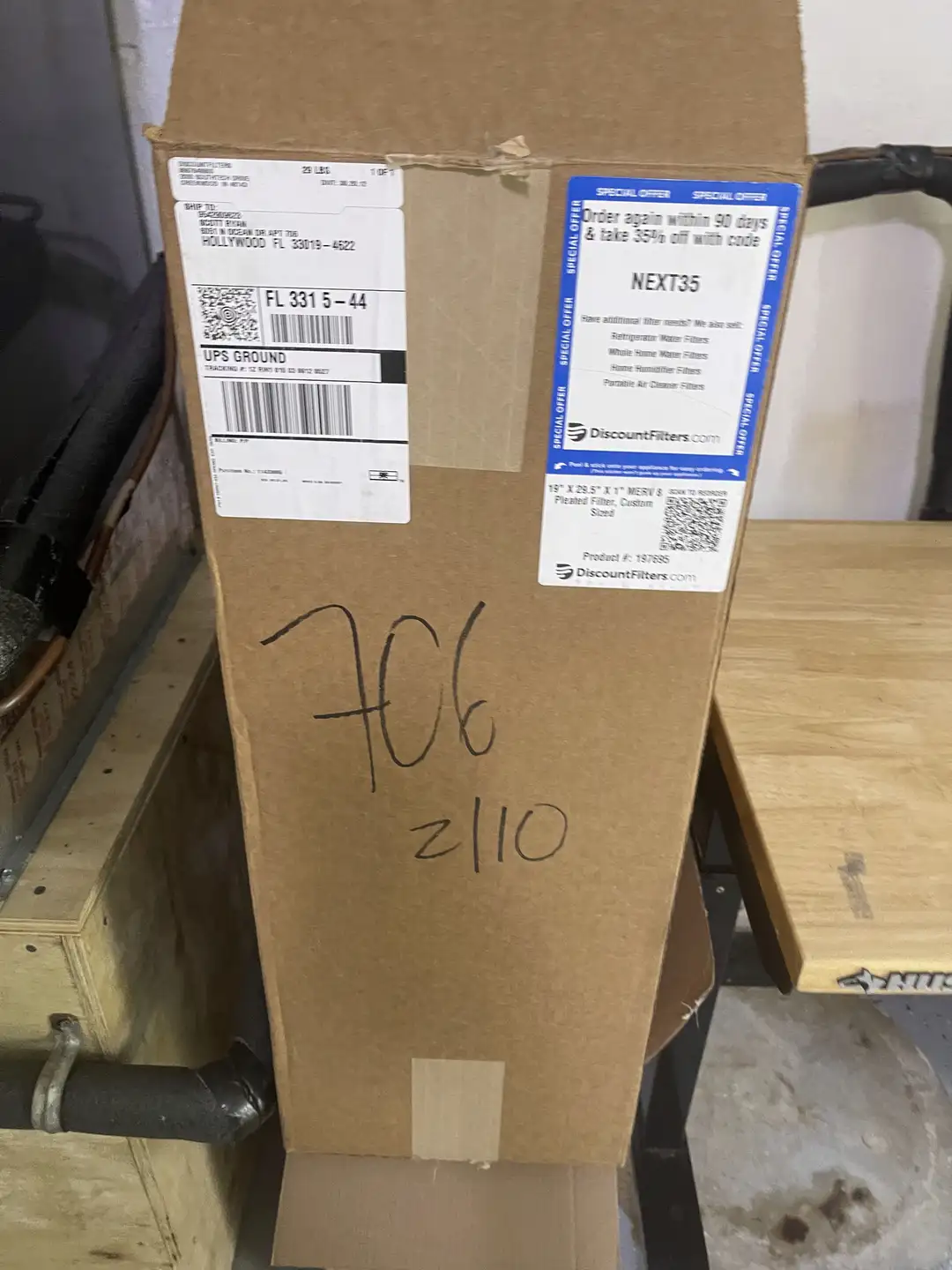 Routine HVAC and moisture-control work is not glamorous, but it often determines whether a storm becomes a manageable repair or a much uglier cleanup.
The most expensive storm-season problems are not always dramatic roof failures. Often they are the issues owners already knew were annoying: clogged drains, neglected gutters, moisture-prone interiors, minor leaks, or HVAC drainage problems that are easy to ignore in a normal week.
Incubate PM's maintenance page calls out South Florida realities plainly. The team recommends regular filter changes, AC drain-line flushes, humidity control, and storm-prep planning because small moisture issues can snowball fast in this climate. The EPA makes the same broader point from the building-science side: moisture control is the key to mold control, and wet materials usually need to be dried within 24 to 48 hours to reduce the chance of mold growth.
Here is a practical owner view of the preseason list:
| Area | What to verify now | Why it matters later |
|---|---|---|
| Roof drainage | Gutters, drains, and visible overflow points are clear | Ready.gov and EPA both emphasize drainage prep because backed-up water creates avoidable damage |
| HVAC / AC drains | Drain lines are unobstructed; pans and filters are checked | Moisture buildup can move from inconvenience to interior damage fast in humid weather |
| Windows / shutters | You know what protection exists and what still needs coordination | NOAA says to strengthen the home before the threat window, not during it |
| Exterior grounds | Loose items, vulnerable furniture, and obvious pooling zones are identified | Small exterior misses often create larger cleanup and tenant-friction issues |
| Unit documentation | Current photos exist before storm damage changes the picture | Post-storm communication is cleaner when "before" conditions are already documented |
This is also where owners should be honest about what they are not going to manage well by themselves. A checklist is only useful if it leads to action. If you already know one property has recurring moisture complaints, old gutters, slow approvals, or weak vendor coverage, do not let the list become a feel-good document.
Why Miami-Dade, Broward, and Palm Beach owners should plan differently
 Storm prep is not identical across the tri-county market. Building type, neighborhood logistics, and how fast vendors can reach the property all affect the real checklist.
Incubate PM's service areas page says the team supports owners and associations across Miami-Dade, Broward, and Palm Beach and adjusts service delivery to the local operating rhythm. That matters more than it sounds.
A downtown condo unit, a suburban single-family rental, and a small multifamily building do not create the same storm workflow. Access, parking, shutters, building rules, tenant communication, landscaping, and vendor routing can all change the plan.
Owners should think in layers:
- Property type: Does this asset need mostly unit-level prep, building-coordination prep, or both?
- Access: Will vendors need gate codes, parking instructions, building approvals, or elevator access?
- Resident communication: Do tenants know what counts as an emergency, what should be photographed, and where requests should be sent?
- Portfolio spread: If you own in more than one county or city, are you assuming every property can be handled the same way?
That last question is where many owners lose time. One generalized checklist feels efficient, but storm response is faster when each asset already has a local contact rhythm and a property-specific set of notes.
Use the portal to speed decisions, not slow them down
 The goal of a portal is not more notifications. It is faster, better-documented decisions when weather turns a routine maintenance issue into a time-sensitive one.
An owner portal becomes most useful when it reduces friction. Incubate PM's owners page says owners can review work orders, statements, inspection photos, and maintenance activity in one place. That is valuable during storm season because the decision chain needs to stay short.
A good workflow usually looks like this:
- Tenants or on-site contacts submit clear photos and a short description.
- The issue gets sorted into urgent, same-week, or monitor-only.
- The owner reviews only the details needed to approve the next action.
- Vendor updates, photos, and invoicing stay attached to the same record.
What slows everything down is over-handling. If every minor issue requires re-explaining the unit history, re-sending old photos, or re-asking who can approve the spend, the portal is not solving the real problem.
This is also the point where planning tools can help. Incubate PM's interactive tools include calculators for vacancy, cash flow, and the cost of self-managing versus hiring help. They will not tell you how a storm will unfold, but they can help frame a more honest question: how much operational delay can your rental absorb before "doing it yourself" stops looking cheaper?
What to document right after the storm
Once the storm passes, speed matters again. Ready.gov says to document property damage with photographs and to avoid touching wet electrical equipment. EPA guidance adds the moisture-control deadline owners should care about most: if water-damaged areas are not dried quickly, mold risk rises and the cleanup usually gets harder.
That means the first post-storm checklist should focus on:
- safety first, especially around standing water and electrical concerns,
- photo documentation before cleanup changes the scene,
- fast reporting from tenants or on-site contacts,
- quick triage of water intrusion, roof leaks, or HVAC-related moisture,
- and a short written log of what was observed, when it was reported, and what action started next.
Do not confuse this step with making final scope decisions immediately. The first goal is to preserve the record, reduce worsening damage, and identify which items need urgent professional attention. If a unit was wet, think in hours, not in "we'll check next week." EPA's 24-to-48-hour drying guidance is a useful reality check here.
When hands-on help makes sense
The best storm-season checklist does not make ownership feel dramatic. It makes the response more boring: cleaner records, faster approvals, fewer preventable surprises, and better coordination when weather creates pressure.
For some owners, that just means tightening the preseason workflow. For others, it reveals that maintenance coordination, vendor management, and post-storm documentation are still too dependent on one person's availability. That is exactly where a more structured management setup can help.
If you want to talk through a specific rental or portfolio, use Incubate PM's contact page and share the property type, location, and the bottlenecks you are trying to eliminate.
This article is general educational information only. It is not legal advice, not tax advice, and not insurance advice. Storm guidance, building conditions, and claim requirements vary, so confirm important decisions with qualified professionals and the relevant official sources before acting.