South Florida Rental Maintenance: When to DIY and When to Call Property Management
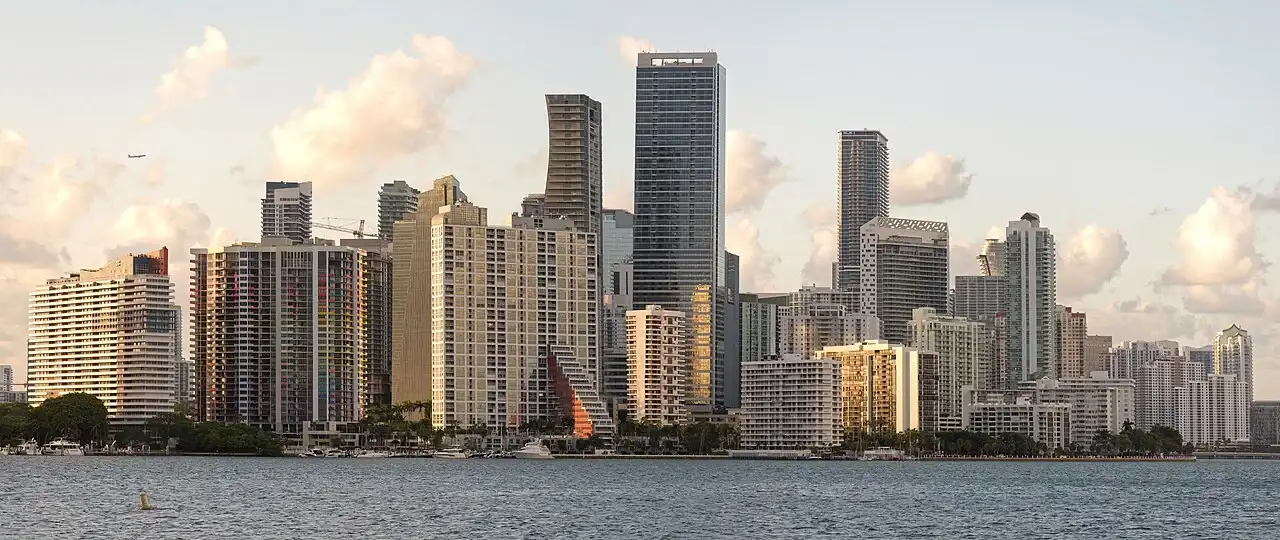
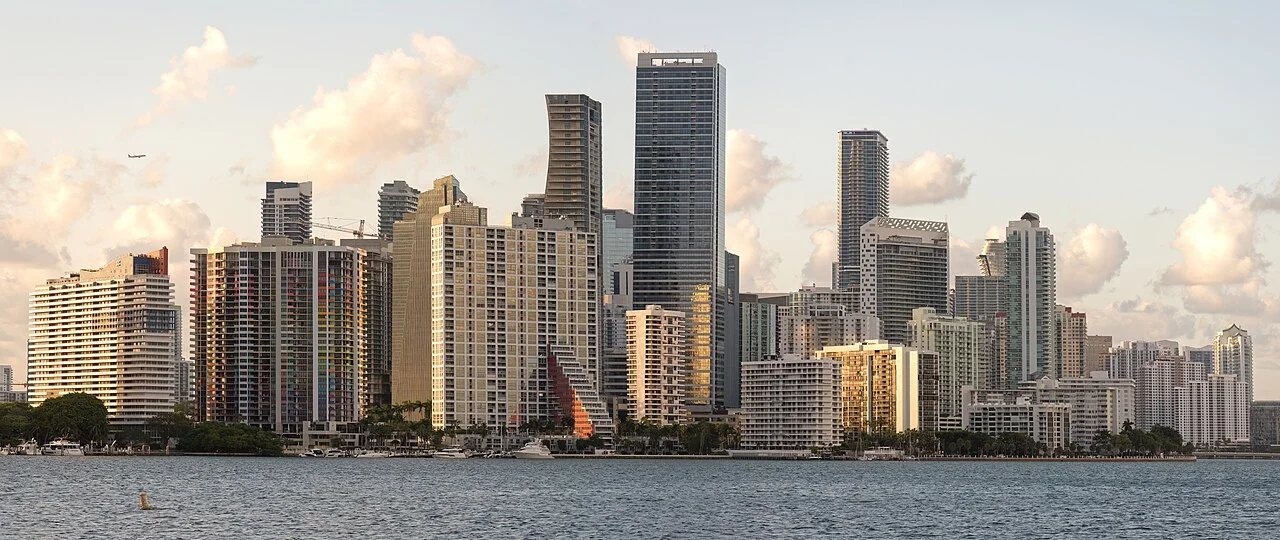 South Florida’s coastal climate and dense housing stock mean maintenance is rarely “just a small repair”—it is part of how you protect people, cash flow, and records.
Introduction
If you own or oversee rentals between Miami-Dade, Broward, and Palm Beach, maintenance is one of the few topics that touches tenant safety, insurance documentation, vendor quality, and your time at the same time. This guide is not a substitute for a licensed contractor, engineer, or attorney. It is a decision framework for thinking about South Florida rental property maintenance in a region where heat, humidity, salt air, and storm season routinely raise the stakes compared with drier inland markets.
Incubate Property Management publishes a service posture focused on protecting, preserving, and simplifying real estate operations, including maintenance coordination described as 24/7 support that routes work to licensed specialists while keeping communication structured for owners and tenants. When you want to move from reading to a conversation, the contact page lists (305) 396-1339 and offices in Miami and West Palm Beach as shown on the live site.
How South Florida climate and building stock shape maintenance risk
Moisture is the through-line. Humid outdoor air, wind-driven rain, and occasional storm disruption interact with HVAC capacity, envelope leaks, and drainage in ways that can look like “an AC problem” until you realize you are also managing condensation, slow leaks, or elevated indoor humidity after a weather event.
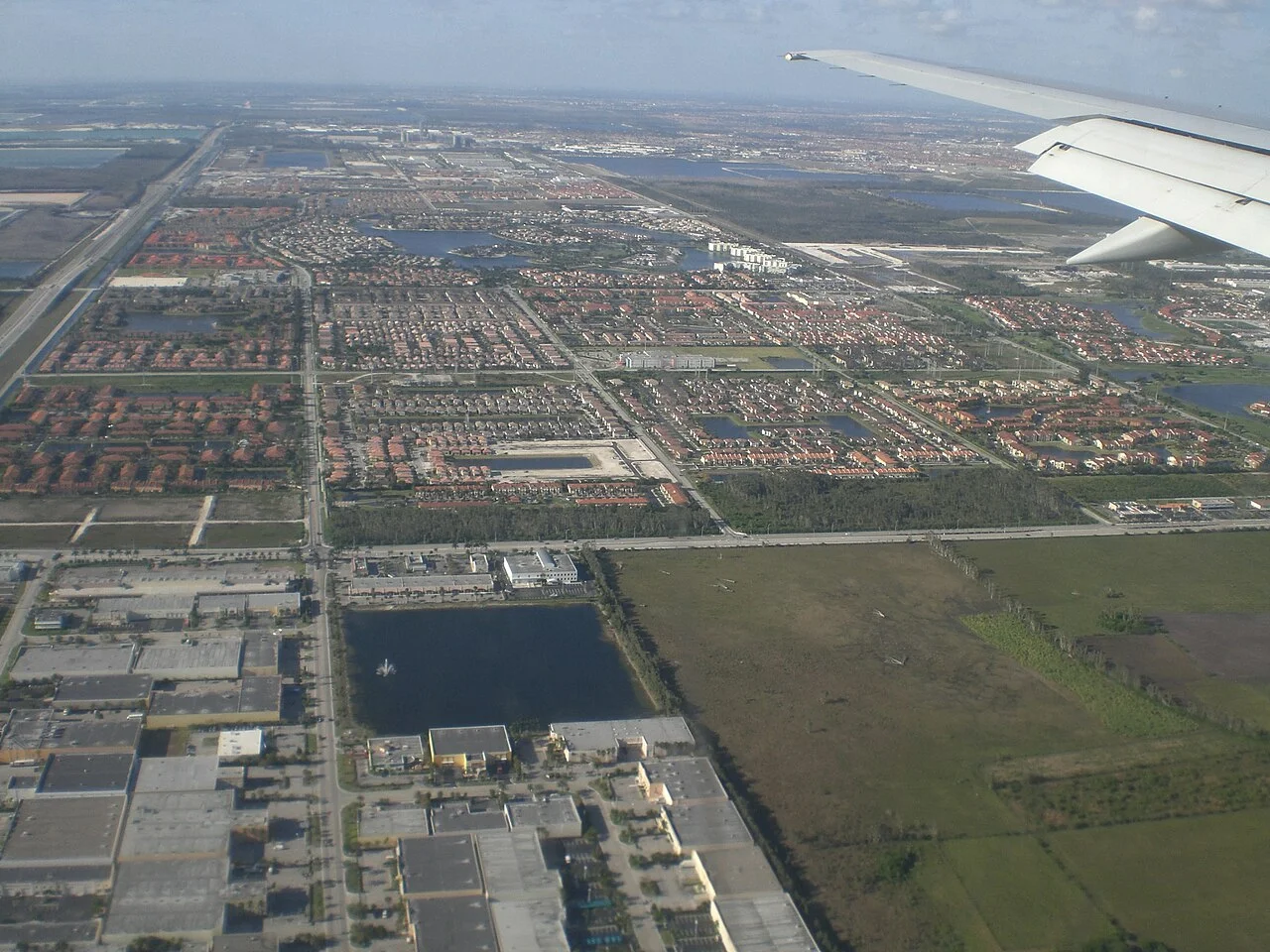 Dense development patterns across Miami-Dade often mean shared walls, shared mechanical systems, and faster wear cycles—especially when units turn over frequently.
That environment rewards predictable intake (what tenants report, when, and with what photos), clear scopes (what is cosmetic versus what affects habitability), and traceable vendor work (invoices, photos, warranties). Those habits matter whether you self-manage or partner with a firm. The rental property owners hub on Incubate PM frames the owner experience around coordinated operations—leasing through maintenance and financial reporting—so owners can stay focused on portfolio decisions rather than daily dispatch.
A simple urgency framework (safety, habitability, documentation)
Use a three-bucket model before you optimize for speed:
- Safety and life safety first. Active water intrusion, sparking electrical conditions, gas odors, and uncontrolled HVAC loss in extreme heat are not “wait until Monday” categories if someone could be harmed. In those moments, the goal is safe mitigation and qualified responders, not a clever DIY workaround.
- Habitability and lease-sensitive issues next. Persistent plumbing backups, long-running leaks, mold conditions tied to verified moisture, or repeated failures of essential services usually require documented timelines and professional diagnosis, even when the surface symptom looks small.
- Cosmetic and convenience last. Paint touch-ups, minor hardware, and non-urgent improvements still deserve scheduling discipline, but they should not crowd out the first two buckets.
The maintenance coordination page emphasizes prompt, courteous tenant service paired with coordination to licensed specialists—a pattern that matches how professional teams reduce chaos: fewer dropped handoffs between “someone is coming” and “someone actually fixed the root cause.”
A lightweight intake template tenants can use
You do not need enterprise software on day one. You do need repeatable fields so your future self (or your PM) can answer basic questions without playing telephone:
- What room and what fixture (kitchen sink left basin; hall bath exhaust fan; west-facing bedroom closet baseboard).
- When it started and whether it is intermittent or constant.
- Photos or a short video showing the symptom and any obvious source (water at a supply line, staining at a ceiling seam, rust on a pan under a water heater).
- What changed recently (guest count, appliance install, cleaning crew, power outage, storm).
That intake discipline matters in South Florida because “humid air” and “slow leak” can produce similar complaints. Good intake reduces false dispatches (expensive) and speeds true emergencies (priceless).
Owner approvals without bottlenecks
Many portfolios stall not on vendor quality but on decision latency: owners who want three bids at 9:00 p.m. on a Saturday for a Monday drip. A practical compromise is to pre-authorize thresholds and categories (for example, anything under a defined dollar amount that restores habitability, handled by the manager with next-business-day summary).
If you do not have thresholds yet, start smaller: pre-approve diagnostic fees for licensed trades so the unit does not sit idle while everyone debates whether the first hour is “worth it.” Incubate PM’s public messaging on maintenance coordination is consistent with a 24/7 posture; confirm what your specific management agreement requires for approvals, spend caps, and after-hours authority before you rely on it.
What property managers usually coordinate vs what still requires licensed specialists
Property managers can excel at orchestration: triage, vendor selection, access coordination, after-hours intake, owner approvals where required, and recordkeeping. They do not replace licensed plumbing, electrical, roofing, or mold professionals where law or insurer expectations require that license.
In practice, the split looks like this:
- Coordination-heavy work — recurring work orders, warranty follow-ups, recurring HVAC filter programs, recurring inspections tied to a service calendar, and vendor scorecards.
- License-bound work — repairs that alter potable water systems, fixed wiring, gas lines, structural load paths, or regulated mold remediation workflows.
If you are self-managing, mirror that split deliberately: keep a short list of vetted emergency vendors and a simple written standard for what tenants should photograph before you dispatch. If you are evaluating a management partner, ask how they document after-hours decisions and how they prevent “dispatch churn” (repeated trips without diagnosis).
Documentation that pays for itself later
Even when a repair is boring, the record is not. A clean paper trail helps with warranty claims, vendor disputes, and turnover inspections where the next tenant argues “that stain was already there.” At minimum, keep:
- The tenant message thread (timestamped).
- The work order with scope and outcome.
- Photos before and after major trades.
- Invoices tied to the unit, not only your credit card memo line.
Incubate PM’s owner-facing pages emphasize operational partnership—see the rental owners hub linked above—for how the firm positions day-to-day operations support. Whether you hire a manager or not, treat documentation as part of asset protection, not admin busywork.
HOA and condo contexts owners often misunderstand
Association living adds a second layer: common elements versus unit interiors, architectural rules, and board approval paths for exterior alterations. A repair that is straightforward in a single-family rental can become a governance and documentation exercise in an HOA or condo.
 Broward’s coastal strip is a useful mental anchor: salt air and wind-driven moisture show up in paint, hardware, and mechanical systems—not only in obvious flood events.
Incubate PM publishes an HOA management practice area that highlights themes like budget forecasting, administrative support, and financial management alongside service-plan positioning—useful when boards want consistency without every volunteer becoming a part-time facilities manager. When governing documents conflict with urgency, treat legal interpretation as [unverified] until an association attorney confirms the path.
A practical “who pays first?” habit (without pretending to be a lawyer)
Boards and landlords both lose time when everyone assumes the other party will open the wallet first. A calmer workflow is:
- Identify location — is the failure inside the unit boundary, in a common chase, on the roofline, or in a shared pump room?
- Identify risk — is there active water migration, electrical hazard, or security failure?
- Identify documentation — what does the association’s maintenance matrix say (if anything), and what does your lease say about tenant-caused damage versus ordinary wear?
If those three answers are unclear, your next step is often professional diagnosis plus qualified counsel—not a Facebook thread. Incubate PM’s HOA page also promotes a complimentary consultation CTA for governance conversations; treat that as an invitation to talk to the firm, not a promise of outcomes.
Where Palm Beach County owners should anchor geographically
If you are comparing operators across counties, geography still matters for vendor networks and response logistics. Incubate PM lists a West Palm Beach office on the contact page alongside the Miami office—useful when you want a team that can speak credibly to tri-county operations rather than a single-zip-code side project.
Next steps and resources on Incubate PM
If you are comparing operators, start with primary sources: the About page introduces the leadership team and states over 15 years of combined experience across property management, real estate, and development as shown on the live page. Use the contact page linked in the introduction for Miami and West Palm Beach office addresses when you need mail or visit details.
Marketing badges and review counts on the homepage can change; treat any award, rank, or review total as [unverified] unless your editor re-checks the live homepage and any supporting methodology at publish time.
If your immediate need is maintenance-heavy, revisit the maintenance coordination link in the introduction, then browse the broader services directory if turnover, screening, or financial reporting are part of the same maintenance story—because the cost of chaos shows up in statements long before it shows up in star ratings.
When you call (305) 396-1339, have three facts ready: property address, whether tenants are in place, and whether the issue is active right now. That single habit converts many “urgent” calls into clean triage—and it is the same habit professional teams use to protect owners and tenants alike.
This article is general educational information about maintenance decision-making in South Florida rentals and associations. It is not legal advice, insurance guidance, or a bid for construction services. Confirm policies, pricing, and credentials on the official site and with qualified professionals before you rely on them.