
South Florida HOA and Condo Financial Reporting: What Board Members Should Review Every Month
 Incubate PM's HOA management imagery reinforces the article's core point: volunteer boards need reporting that translates day-to-day operations into decisions they can actually review.
Introduction
When a South Florida board packet lands in your inbox, the question is not whether it looks busy. The question is whether it helps you make better decisions about cash flow, reserves, vendors, and owner communication before small problems become community-wide arguments. That is the lens for South Florida HOA and condo financial reporting: not accounting theater, but board-ready visibility.
Incubate Property Management's published financial reporting, HOA management, and condo association management pages all lean on the same promise: clearer monthly reporting, more transparent operating data, and less guesswork for boards and owners. This guide turns that positioning into a practical review checklist, then pressure-tests it against Florida's official records rules and reserve-planning realities. It is educational, not legal, tax, or accounting advice.
What a useful monthly reporting packet should contain
According to Incubate PM's financial reporting page, the baseline stack includes daily bookkeeping, monthly statements, and year-end tax prep support, with 24/7 portal access positioned as a major benefit for owners and association boards. The page specifically says boards and owners should be able to review a Cash Flow Statement, an Income/Expense Report, and a General Ledger, alongside copies of invoices paid on the association's behalf.
That matters because a board packet is only useful when it helps directors answer concrete questions. A healthy monthly reporting packet should make it easier to see:
- what money came in,
- what money went out,
- which obligations are recurring versus unusual,
- which invoices tie back to real work,
- and whether any trend is drifting long before budget season forces a rushed decision.
Incubate PM also frames transparent vendor billing and direct disbursement visibility as part of the value proposition. For a board, that means the reporting packet should not stop at neat totals. If landscaping, elevator service, pool maintenance, security, roof work, or plumbing issues are moving the budget, the backup should be easy to follow.
A practical board test is simple: if a treasurer, president, or finance-committee volunteer cannot explain the month's biggest cost movements in plain English after reading the packet, the reporting is probably too thin.
Where HOA and condo boards ask different questions
 Condo boards usually carry more infrastructure and reserve pressure than neighborhood HOAs, which changes what “good monthly reporting” needs to surface.
The overlap between HOA and condo finance is real, but the pressure points are not identical. Incubate PM's HOA page stresses budgeting, bookkeeping, financial reporting, dues collection, vendor management, and meeting support for volunteer boards that feel buried in day-to-day operations. Its condo page pushes further into building operations, reserve planning, high-density resident communication, and Florida condo-law pressure.
For many HOAs, the monthly packet needs to help the board answer questions like these:
- Are assessments being collected on schedule?
- Which vendor categories are consuming more budget than expected?
- Is the board getting enough visibility to prepare for annual planning and owner communication?
- Are delinquency and arrears trends being shown clearly enough to guide next steps?
Condo boards often need all of that plus a more infrastructure-heavy view. The condo management page describes tracking building operations, assessment collection, and reserve fund status. In practice, that means condo boards usually need stronger monthly visibility into systems, deferred maintenance exposure, and upcoming capital pressure. Elevators, roofs, pool systems, waterproofing, facade work, and life-safety obligations can make “financial reporting” inseparable from operations.
That does not mean HOA boards can relax. It means the board should judge the packet against the community's risk profile, not against a generic template. A small homeowners association may not need the same reserve discussion as a coastal condominium tower, but it still needs reporting clear enough to support vendor accountability and budget planning.
How Florida records rules raise the standard
A management company can promise transparency all day. Florida law is what tells boards and owners how much access and record discipline actually matters.
For homeowners' associations, Florida Statute 720.303 requires associations to maintain official records including accurate, itemized financial records, contracts, insurance policies, budgets, and financial reports. The statute also sets rules around owner access to records and, for larger associations, online posting requirements for key financial and governance documents.
For condominiums, Florida Statute 718.111 reinforces the association's corporate duties, official-record obligations, and the financial and operational accountability that sits behind board decisions. Incubate PM's own 2024 condo-law explainer adds a reader-friendly summary of how recent condo-law changes intensified expectations around education, transparency, reserve visibility, and resident access to information.
The practical takeaway is not “memorize every statute.” It is this: if your board packet makes it hard to connect the monthly story to the underlying records, you are operating with unnecessary friction. Clean reporting helps the board communicate better, answer owner questions faster, and spot when a bigger records or compliance issue may need counsel, a CPA, or a reserve professional.
The budget-season questions that surface weak reporting
Budget season exposes weak reporting because it forces the board to move from passive review into actual decisions. The Community Associations Institute's budgeting best practices for HOAs emphasizes comparing current and previous years' income and expenses, separating fixed from variable costs, and resisting the temptation to underfund reserves just to soften assessment increases.
That advice becomes much more useful when a board asks sharper monthly questions throughout the year:
- Which expense lines are consistently drifting from budget?
- Do recurring vendors have matching invoice support and understandable scope?
- Are reserve conversations based on current planning, or just on hope that next year feels easier?
- Is delinquency reporting detailed enough to show trend, not just a scary total?
- Can directors explain the biggest changes to owners without translating jargon first?
Incubate PM's financial reporting page specifically mentions support for budget tracking, expense categorization, and planning for future capital expenditures and reserve fund requirements. That positioning is strongest when the monthly packet gives the board a steady operating rhythm instead of a once-a-year scramble.
A useful rule of thumb: if the monthly materials would not help a new board member understand what changed, what is pending, and what needs attention before the next meeting, the packet is probably optimized for storage rather than decision-making.
Another useful test is whether the packet helps the board prepare owner-facing communication before tension rises. If directors can already see which costs are recurring, which projects are moving toward reserve decisions, and which invoices will trigger questions at the next meeting, they can explain the story early instead of reacting defensively once homeowners start asking where the money went.
Why South Florida operations make weak reporting more expensive
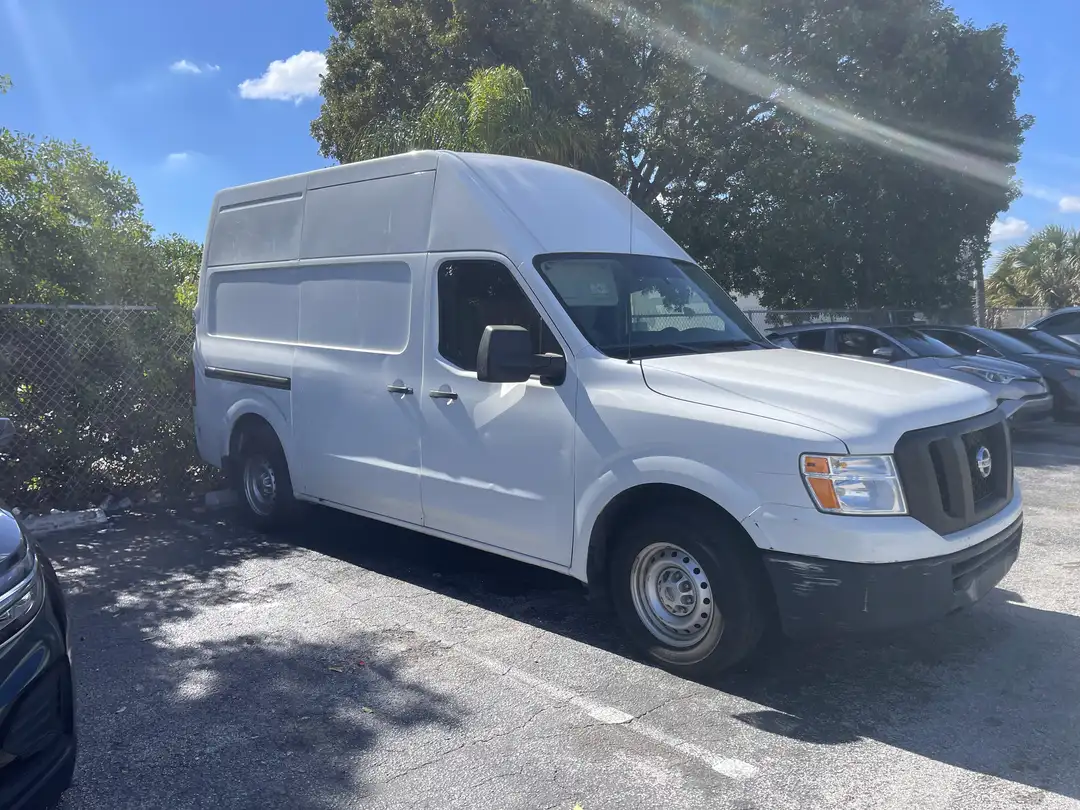 On-site operational work, vendor dispatch, and neighborhood service logistics are part of the financial story in South Florida, not separate from it.
South Florida is hard on buildings and communities even before you get to named-storm headlines. Heat, humidity, heavy rain, salt exposure, aging systems, and dense owner expectations make operating mistakes more expensive here than they look on a spreadsheet.
Incubate PM's condo and HOA pages both tie financial clarity to vendor oversight, maintenance coordination, and board support. That is the right framing. In this market, a vague line item is rarely just a paperwork annoyance. It may point to deferred work, incomplete vendor oversight, unclear approvals, or a maintenance issue that will show up later as a larger reserve or special-assessment conversation.
This is also why polished but shallow dashboards are risky. A board does not only need totals. It needs enough operating context to tell the difference between seasonal noise, one-off repairs, chronic under-budgeting, and systems that are slowly slipping. For condo boards, that often means asking harder questions about reserve status and infrastructure planning. For HOA boards, it may mean focusing earlier on recurring contract categories, owner communications, and whether the board is being given enough information to justify budget decisions in public meetings.
How to evaluate a management partner without drowning in jargon
If you are comparing management companies, ignore the most polished phrases for a moment and test whether the reporting story is understandable.
A few practical questions help:
- What exactly arrives each month? Ask whether you receive a cash-flow view, income/expense reporting, ledger detail, invoice copies, and account-status context.
- How self-serve is the portal? Incubate PM's financial reporting page highlights 24/7 access. Confirm what board members can actually review without waiting on staff.
- How are reserves and future capital needs surfaced? Especially for condos, you want clarity on whether reserve status is merely mentioned or actively tracked.
- How does the packet connect to operations? If vendor oversight, maintenance coordination, and board support are part of the service stack, the reporting should reflect that operational reality.
- What happens when something looks off? Clear escalation paths matter more than slick interfaces.
Incubate PM's contact page invites owners, investors, and board members to reach out with community size, location, and goals so the team can route the conversation appropriately. That is the right kind of next step for a board that wants to compare process depth rather than just a management fee.
Final take and reader-safe caveats
The best monthly reporting packet does not try to impress the board with volume. It gives the board enough clarity to govern: where the money moved, what operational story sits behind the numbers, what reserve or budget pressure is building, and which questions need professional follow-up.
For South Florida communities, that standard matters because climate, infrastructure, and owner expectations raise the cost of fuzzy reporting. Condo boards usually need deeper reserve and building-systems visibility. HOA boards still need disciplined records, understandable monthly statements, and vendor accountability that does not collapse under owner scrutiny.
If you want to compare your current packet against a management firm's published approach, start with Incubate PM's financial reporting, HOA management, and condo association management pages, then use the contact page if your board wants to discuss your specific community.
This article is general educational information only. It is not legal advice, not tax advice, and not accounting advice. Florida statutes, reserve obligations, and association policies can change, so confirm important details with qualified professionals and the official source documents before making board decisions.