
HOA vs Condo Management in Florida: Why the Board's Job Changes
 The labels can sound similar, but the board workload behind them often is not. Florida communities need a management model that matches how the property actually operates.
If you are comparing HOA vs condo management in Florida, the real question is not which label sounds more formal. It is which board workload you are trying to support. Both community types deal with budgets, vendors, owner communication, and meeting prep. The split shows up in what the association is responsible for every month, how records have to be handled, and how quickly maintenance can become a building-wide issue.
Incubate PM's published HOA management, condo association management, financial reporting, and maintenance coordination pages are useful here because they reveal two different service stacks on the same site. Add the official text of Florida Statute 720.303 for HOAs and Florida Statute 718.111 for condominiums, and you can see why boards with similar volunteer pressure may still need very different operational support. This guide is educational, not legal advice for any specific community.
The same board title can hide very different workloads
At a high level, both HOAs and condos need a management partner that can keep records clean, move vendors, collect assessments, and support board meetings. That is the overlap. The divergence starts when you look at common elements, building systems, density, and the rhythm of owner communication.
| Question | HOA boards often feel it here | Condo boards often feel it here |
|---|---|---|
| What is the day-to-day pressure? | Resident communication, dues, rules, landscaping, gates, common-area vendors | Building systems, reserve visibility, assessments, dense resident communication, repairs with wider impact |
| What do meetings and notices revolve around? | Rules, contracts, budgets, owner questions, special assessments when needed | The same basics plus building projects, access, infrastructure, and owner friction tied to common elements |
| What records matter most? | Contracts, insurance, budgets, financial reports, meeting minutes, owner records | All of the above, plus deeper operational and reserve-study records tied to building condition and common elements |
| What makes maintenance harder? | Vendor accountability across shared spaces and community standards | Access coordination, elevators, pools, roofs, vertical systems, water intrusion, and emergency triage |
| What does management support need to deliver? | Better board organization, cleaner dues and records workflow, steadier communication | The same governance support plus stronger maintenance orchestration and more infrastructure-aware planning |
That is why a board should not choose a management model by headline alone. A townhome HOA with modest common areas does not need the same operating cadence as a mid-rise condominium with aging waterproofing, elevators, or recurring leak exposure. The management firm may offer both services, but the board's job changes with the asset.
How Chapter 720 shapes the typical HOA management workload
Incubate PM's HOA page frames the usual board pain points in a way that will sound familiar to many communities: volunteer overload, dues collection stress, resident friction, and the challenge of coordinating multiple vendors. Its service stack then moves toward board support, meeting coordination, budgeting, bookkeeping, financial reporting, violation enforcement, and resident portal communication.
That emphasis lines up with how Chapter 720 describes the association's operating duties. The statute says HOA board meetings must be open to members, notices must identify agenda items, and special-assessment meetings require enhanced notice. It also requires official records such as contracts, insurance policies, budgets, financial and accounting records, and meeting minutes, with owner access expected within 10 business days after a written request.
In practice, that means HOA management is often less about one dramatic building system and more about whether the board can sustain clean processes. Are minutes organized? Are contracts easy to retrieve? Are assessment notices handled correctly? Can the board explain financial reporting without turning every meeting into an argument? If the community has 100 or more parcels, the website or app posting obligations in Chapter 720 add another layer of administrative discipline.
The financial-reporting page sharpens that picture. Incubate says boards and owners should be able to review a Cash Flow Statement, an Income/Expense Report, a detailed General Ledger, and supporting invoices through the portal. That is not just an accounting convenience. It is the foundation for calmer board meetings, better vendor oversight, and fewer surprises when budget or delinquency questions surface.
How Chapter 718 changes the condo board's operating burden
 Condo boards usually inherit more than governance. They also inherit the building systems, reserve pressure, and access decisions that turn ordinary maintenance into a community-wide issue.
Incubate PM's condo page makes the shift obvious. Instead of starting with rules and resident friction, it opens with complex building infrastructure, reserve requirements, high-density communication, and large-scale repair projects. The service stack follows the same pattern: building operations and preventative maintenance, condo-law compliance, reserve-study coordination, assessment collection, vendor oversight, and 24/7 resident support.
That framing matches the operational logic in Chapter 718. The statute says the association has power to make and collect assessments and to lease, maintain, repair, and replace common elements or association property. It also gives the association a right of access to units during reasonable hours when common-element work or damage prevention requires it, with additional procedures for abandoned-unit situations.
Those details matter because condo boards are rarely dealing with isolated tasks. A roof, riser, drain line, pool system, or waterproofing issue can affect multiple units, insurance questions, reserves, owner communication, and vendor sequencing at the same time. What looks like a maintenance problem often becomes a records, access, and cash-flow problem within the same week.
Chapter 718 also adds weight to the records side. The statute's official-records section includes accounting records, contracts, bids, and structural integrity reserve studies among the documents a condo association must maintain. For boards, that raises the standard for management support. The team cannot only answer resident emails. It has to help the board keep the building's paper trail defensible and usable when projects, owners, or auditors start asking harder questions.
Where records, meetings, and owner communication diverge
Both statutes create a fiduciary context for officers and directors, so neither board gets to treat governance as optional. The difference is where the pressure concentrates.
For many HOAs, the management burden lives in volume and consistency. Meeting notices, agenda discipline, owner access to records, contract visibility, dues tracking, and fair enforcement have to work every month. Communities with many parcels may also need more deliberate website or app posting habits so required documents are accessible when owners ask for them.
For condos, records and meetings still matter just as much, but the stakes often attach to physical systems and capital planning faster. A condo board can be talking about minutes and owner communication one moment, then pivot into reserve visibility, a building repair schedule, or access coordination for work affecting several units. That is why condo management tends to feel more infrastructure-heavy even when the board is dealing with the same core governance duties as an HOA.
Owner communication changes too. In an HOA, many disputes are tied to standards, assessments, or shared-service expectations. In a condo, the same communication channel may need to carry updates about noise, access windows, water shutoffs, project sequencing, or emergency response. The management model has to absorb that density without turning every operational update into confusion.
Why vendor oversight and maintenance triage feel different in condos
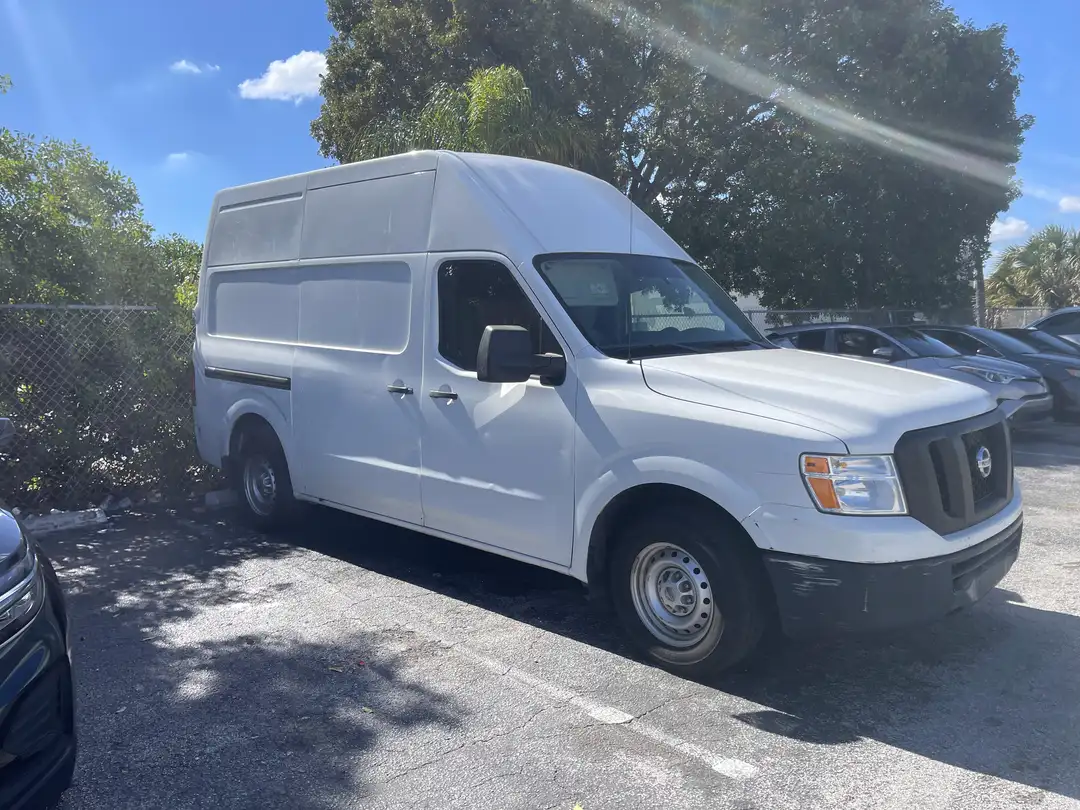 Vendor management is not only about getting a quote. It is about triage, access, documentation, and making sure the board can see what happened before the invoice lands.
Incubate PM's maintenance page is one of the most revealing sources in this comparison because it describes a workflow, not just a promise. Tenants or residents submit requests through the portal with photos, the team triages urgency, vetted vendors are dispatched, and owners can review status, repair photos, and final invoices. That workflow can support either community type, but condos usually push it harder.
In an HOA, vendor oversight may center on landscaping, gates, exterior standards, amenity upkeep, storm cleanup, or neighborhood-wide contracts. Those jobs can still be messy, but they often do not require the same access choreography as a vertical building or a large common-element repair.
In a condominium, by contrast, vendor coordination frequently touches multiple layers at once: resident communication, unit access, common-element responsibility, and building-system sequencing. A leak may require entry to a unit, a plumber, a restoration vendor, management notes, and board updates before the work is even scoped correctly. Chapter 718's access language exists for a reason: condos often cannot solve common-element problems without coordinated entry and a cleaner operational chain of custody.
That is also why reserve and project pressure feel different in condo management. A management firm serving condo boards needs enough operational rigor to connect work orders, capital planning, board packets, and resident updates. The board is not only hiring someone to answer calls. It is hiring a team to keep building operations legible.
A side-by-side comparison boards can use before hiring help
If your board is interviewing management companies, these are the questions worth asking before the proposal starts to blur:
- What does the manager actually organize for meetings? For HOAs, focus on notices, agendas, minutes, owner-facing follow-up, and clean action lists. For condos, add project-status reporting, access coordination, and infrastructure updates.
- How are official records stored and produced? Ask how budgets, contracts, insurance, bids, minutes, and financials are organized, and how records requests are handled when owners want access.
- What does vendor oversight look like after approval? Boards need more than a vendor list. They need dispatch logic, photo documentation, invoice backup, and a way to see whether the work matched the scope.
- How does the reporting connect to operations? The financial reporting page is useful here because it ties ledgers, statements, and invoices to board visibility. A board packet should help directors understand what happened in the field, not only what was paid.
- How does the firm communicate during stressful weeks? The right answer for both community types includes consistency, but condos usually need stronger coordination around building notices, access windows, and common-element disruptions.
If the answers stay vague, the board probably is not evaluating the right level of management support yet.
When to ask for professional management support
The simplest rule is this: when the board is spending more time chasing records, vendors, notices, and resident follow-up than actually making decisions, the current operating model is probably too thin.
For HOAs, that often shows up as meeting fatigue, delinquency headaches, inconsistent enforcement, and poor document retrieval. For condos, it usually shows up sooner in maintenance triage, reserve visibility, owner communication, and the complexity of common-element work. If your board wants to compare how those support models look in practice, start with Incubate PM's HOA management and condo association management pages, then use the contact page to discuss your community's size, asset type, and pain points.
Community documents, governing structure, and live legal requirements can change the details, so confirm community-specific obligations with qualified Florida counsel when the question turns into a legal interpretation or a board vote. This article is meant to help you ask sharper management questions before you get there.