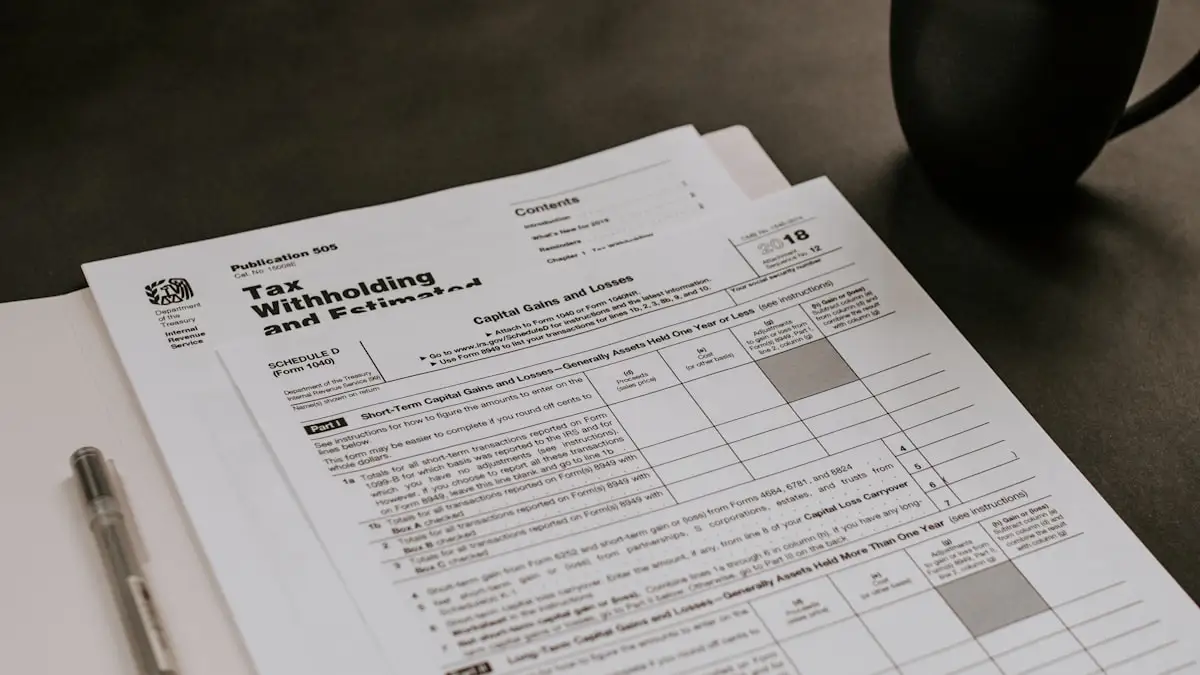
One of the greatest advantages of investing in South Florida real estate is the highly favorable tax environment. Florida imposes no state income tax on individuals, which is a massive draw for investors nationwide. Furthermore, while rental income is subject to federal taxation, the IRS allows property owners to deduct a wide array of expenses associated with operating, managing, and maintaining their investments.
Understanding Florida rental property tax deductions is absolutely essential for rental property owners looking to maximize their net cash flow, lower their tax burden, and achieve a higher overall return on investment (ROI).
Whether you operate as a sole proprietor or manage your portfolio through a Florida LLC, accurately tracking your deductions can save you thousands of dollars come tax season. Here is a comprehensive guide to the most significant tax write-offs available to Florida landlords in 2026.
1. Mortgage Interest Deduction
For the vast majority of leveraged real estate investors, the interest paid on a rental property mortgage is their single largest tax deduction. While you cannot deduct the principal portion of your monthly mortgage payment (as that is considered paying down your own debt), the interest portion is fully deductible as a business operating expense.
Additionally, you can deduct:
- Interest on home equity loans or lines of credit (HELOCs) used to improve the rental property.
- Credit card interest for goods and services purchased specifically for the rental business.
2. Property Depreciation: The "Phantom" Deduction
Depreciation is arguably the most powerful tax advantage in real estate. It allows you to deduct the cost of buying and improving a rental property over its "useful life," accounting for general wear and tear over time.
For residential real estate, the IRS assigns a useful life of 27.5 years. This means you can deduct roughly 3.63% of the property's building value from your taxable income every single year. (Note: You can only depreciate the value of the physical structure, not the land it sits on, as land does not "wear out").
Over time, depreciation can significantly offset your rental income. Often, it results in a "paper loss" for tax purposes, even while the property generates positive, actual cash flow into your bank account. Advanced investors may also use Cost Segregation Studies to accelerate the depreciation of specific components of the property (like appliances, flooring, and fixtures) over 5 or 15 years instead of 27.5 years.
3. Property Taxes
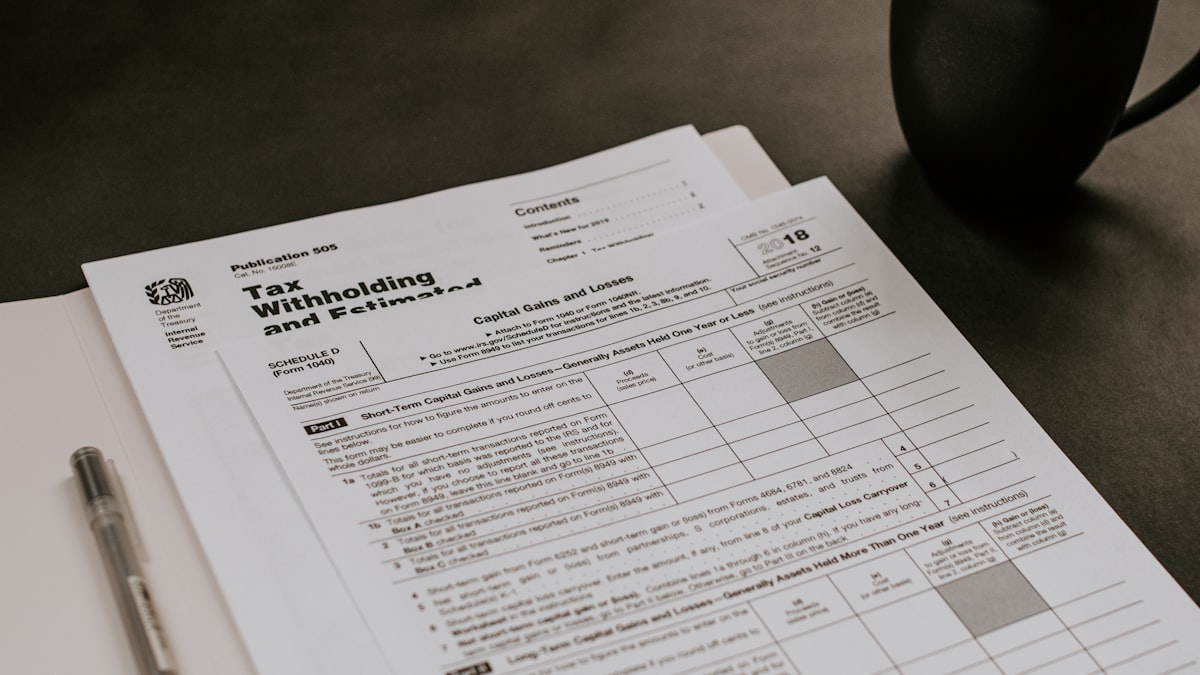
South Florida property taxes can be substantial, but the good news is that property taxes paid on your rental investments are fully deductible. Unlike primary residences—which are currently subject to the $10,000 SALT (State and Local Tax) deduction cap under current federal law—rental property taxes are treated as a standard business expense and are not subject to this limitation.
4. Property Management and Professional Fees
If you hire professionals to help run, maintain, or protect your rental business, their fees are fully deductible. This includes:
- Property Management Fees: The monthly percentage or flat fees paid for professional property management, leasing commissions, and eviction coordination.
- Legal and Professional Services: Fees paid to real estate attorneys to draft ironclad leases or handle evictions, as well as fees paid to CPAs for tax preparation, bookkeeping, and financial reporting.
5. Repairs vs. Improvements
Expenses incurred to keep the property in good, rentable condition are fully deductible in the year they are paid. Common repair deductions include:
- Plumbing, electrical, and HVAC repairs
- Painting the interior between tenants
- Pest control services
- Lawn care, landscaping, and pool maintenance
- Cleaning services
Important Distinction: Repairs vs. Improvements The IRS strictly differentiates between a repair and a capital improvement. A repair keeps the property in its current operating condition (e.g., fixing a leaky pipe). An improvement adds significant value, adapts the property to new uses, or extends its life (e.g., replacing the entire roof, adding a bedroom, installing central AC). Improvements cannot be fully deducted in one year; they must be capitalized and depreciated over their useful life.
6. Insurance Premiums
Protecting your asset is critical in Florida. The premiums you pay for landlord liability insurance, hazard/fire insurance, windstorm coverage, and flood insurance are fully deductible as business operating expenses.
7. Travel Expenses for Out-of-State Landlords
If you travel to your rental property for business purposes—such as to collect rent, perform maintenance, or show the unit to prospective tenants—you can deduct your travel expenses.
- Local Landlords: You can deduct mileage driven to and from the property using the standard IRS mileage rate or actual vehicle expenses.
- Out-of-State Landlords: If you live in New York and fly to Miami to inspect your properties, your airfare, rental car, and lodging may be deductible, provided the primary, documented purpose of the trip is business. (Vacation days taken during the same trip are not deductible).
8. Pass-Through Deduction (QBI)
Under the Tax Cuts and Jobs Act, many landlords operating through pass-through entities (like LLCs, S-Corps, or sole proprietorships) may qualify for the Qualified Business Income (QBI) deduction. This allows eligible landlords to deduct up to 20% of their net rental income right off the top, subject to certain income thresholds and requirements defining the rental activity as a "trade or business."
9. Deferring Taxes with a 1031 Exchange
While not a direct deduction, a 1031 Like-Kind Exchange is a crucial tax strategy. When you sell a highly appreciated rental property, you normally owe hefty capital gains taxes. However, Section 1031 of the IRS code allows you to defer paying those capital gains taxes entirely if you reinvest the proceeds into a new, "like-kind" investment property of equal or greater value within a strict timeline. This strategy allows investors to continuously trade up into larger properties, building massive wealth tax-deferred.
Maximize Your Returns with Professional Financial Reporting
To take full advantage of these Florida rental property tax deductions and defend them in the event of an IRS audit, meticulous, categorized record-keeping is required. Mixing personal and business expenses or keeping receipts in a shoebox is a recipe for disaster.
At Incubate Property Management, we provide our property owners with crystal-clear, accountant-ready financial reporting through our secure owner portal. By ensuring every expense is properly categorized in real-time, we help you make tax season effortless and maximize your investment ROI. Contact us today to learn more about how our management services can streamline your investments.
Frequently Asked Questions (FAQ)
Are HOA or Condo Association fees tax deductible? Yes. If your rental property is located within a Homeowners Association or Condo Association, the monthly or quarterly dues you pay are fully deductible as a rental business expense.
Can I deduct the cost of my own labor if I repair the property myself? No. You can deduct the cost of the materials and tools purchased to make the repair, but the IRS does not allow you to deduct the value of your own time or labor.
What happens to depreciation when I sell the rental property? When you sell a rental property, the IRS requires "depreciation recapture." This means the total amount of depreciation you claimed (or should have claimed) over the years you owned the property will be taxed at a specific recapture rate (up to 25%). This is why many investors use 1031 exchanges to defer this tax.
Can I deduct casualty losses from hurricanes? If your rental property suffers damage from a hurricane or flood, you may be able to claim a casualty loss deduction. However, the deduction is limited to the amount of damage that was not reimbursed by your insurance company.